When you are choosing a new garage door, insulation can sound more complicated than it needs to be. You may see terms like R-value, polystyrene, polyurethane, two-layer construction, and steel-backed construction without a clear explanation of what any of them mean for you and your home.
The short version is that garage door insulation can help with temperature control, but that is only part of the story. It can also make a garage door stronger, quieter, and more resistant to everyday wear. The best choice is not automatically the door with the highest R-value. It is the door that fits your garage, your priorities, and your budget.

What Is Garage Door R-Value?
R-value measures how well a material resists heat moving through it. The higher the number, the better the insulation is at slowing heat transfer.
For a little context, insulation made for a typical 2-by-4 wall is often rated around R-13, while insulation for a 2-by-6 wall may be rated around R-19 or R-21. That does not mean an R-18.4 garage door will perform exactly like an R-18.4 exterior wall. Walls and garage doors are built and measured differently, and the overall performance of a garage also depends on windows, weather seals, gaps, shared walls, and the rest of the structure.
Still, R-value is a useful way to compare the insulation inside different garage doors.
One-Layer, Two-Layer, and Three-Layer Garage Doors
The number of layers tells you how the door is constructed.
One-Layer Garage Door
A one-layer garage door is a single layer of exterior steel with no insulation. Clopay’s Classic Steel Value door is an example. You may sometimes hear this referred to as a pan door. It is the most basic and budget-friendly option and can be perfectly suitable for a detached garage or for a homeowner who simply does not need insulation.
Two-Layer Garage Door
A two-layer door adds insulation behind the exterior steel. Clopay’s Classic Steel Value Plus door includes 1 5/16 inches of polystyrene insulation with a vinyl back and an R-value of 6.3.
This is a practical step up from a basic steel door, while still remaining a budget-friendly option. The insulation helps with temperature and sound, while also giving the door a little more substance and stability.
Three-Layer Garage Door
A three-layer door has exterior steel, insulation, and an interior steel back. Clopay’s Classic Steel Premium doors are available with either polystyrene insulation or Intellicore polyurethane insulation.
The steel back gives the inside of the door a clean, finished appearance and protects the insulation. More importantly, the complete construction creates a stronger, more rigid, and often quieter door.
Clopay Classic Steel Insulation Options
Here is how the available construction choices compare:
| Clopay door construction | Insulation | Interior surface | R-value |
|---|---|---|---|
| Classic Steel Value, one layer | None | Exposed steel | None |
| Classic Steel Value Plus, two layers | 1 5/16-inch polystyrene | Vinyl back | 6.3 |
| Classic Steel Premium, three layers | 1 3/8-inch polystyrene | Steel back | 6.5 |
| Classic Steel Premium, three layers | 2-inch polystyrene | Steel back | 9.0 |
| Classic Steel Premium with Intellicore, three layers | 1 3/8-inch polyurethane | Steel back | 12.9 |
| Classic Steel Premium with Intellicore, three layers | 2-inch polyurethane | Steel back | 18.4 |
Polystyrene vs. Polyurethane Garage Door Insulation
Polystyrene insulation is a rigid foam panel placed inside the garage door. It provides a noticeable improvement over a non-insulated door and is often the most affordable way to add insulation.
Clopay’s Intellicore insulation is polyurethane foam that expands to fill the space inside the door. It provides a higher R-value for its thickness and creates a strong bond between the exterior and interior steel layers. This makes the door feel especially solid and helps reduce vibration and noise during operation.
Both types can be good choices. The right one depends on how you use your garage and how much performance you want from the door.
Insulation Is About More Than Temperature
Many homeowners assume garage door insulation only matters if they heat or cool the garage. In reality, upgraded construction offers several other benefits:
- More strength and rigidity: An insulated door, especially one with a steel back, feels more solid and is less likely to flex during operation.
- Quieter operation: Insulation can reduce vibration and the hollow, rattling sound common with a basic one-layer steel door.
- Better protection: A steel interior backing protects the insulation from bumps, tools, stored items, and everyday garage activity.
- A cleaner interior finish: Steel-backed doors have a finished appearance on the inside instead of exposed framing or vinyl-backed insulation.
- Improved resilience: The added structure can help the door stand up better to regular use over time.
Those benefits can matter even if temperature control is not your biggest concern.
How Much Garage Door Insulation Do You Need?
Not every homeowner needs an R-18.4 garage door, and there is nothing wrong with choosing a basic non-insulated door when it fits the situation.
You may want to consider more insulation if:
- The garage is attached to the house.
- There is a bedroom or living space above or beside the garage.
- The garage gets especially hot during Inland Empire summers or cold during winter nights.
- You use the garage as a workshop, gym, laundry area, or hobby space.
- You want a quieter, sturdier door with a finished interior.
For many homeowners, the basic two-layer Value Plus door offers a worthwhile improvement without jumping to the highest insulation level. Others prefer a three-layer steel-backed door because strength, quiet operation, and interior appearance matter as much as R-value.
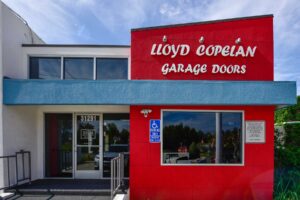
Visit Our Redlands Showroom
Garage door insulation can be difficult to understand from a brochure or an R-value alone. It makes much more sense in person.
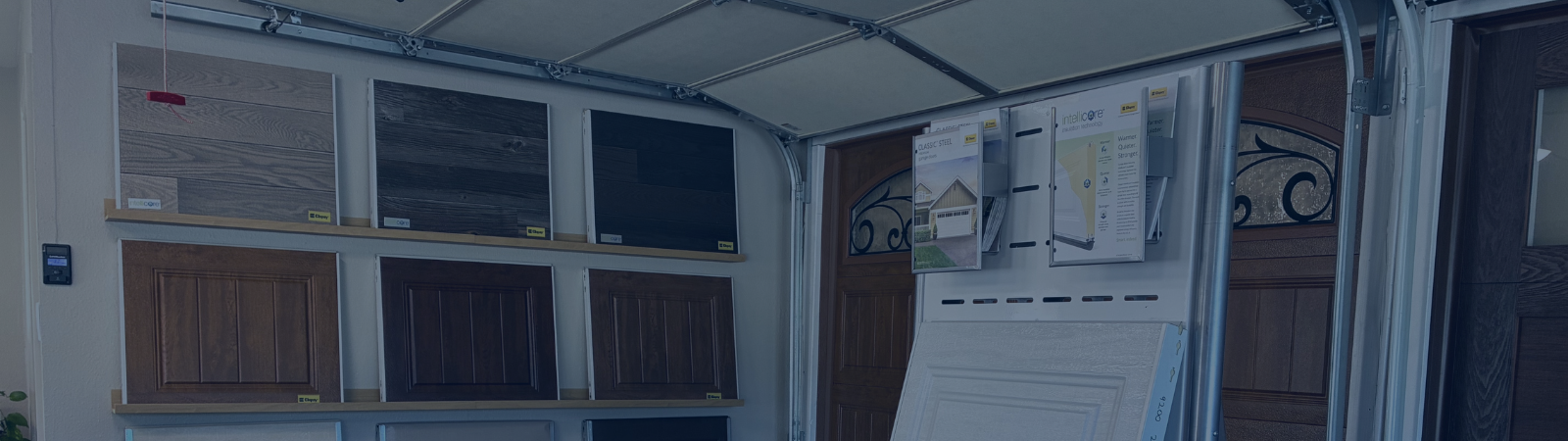
At our Redlands showroom, you can compare garage door samples side by side. We will show you how each option is constructed and explain the differences in insulation, weight, rigidity, and interior finish. Once customers see the options for themselves, it is usually much easier to understand what they are paying for and decide which upgrade is worthwhile for their home.
For example, we currently charge $500 to upgrade a standard 16-by-7-foot door from a basic one-layer door to a two-layer Clopay Value Plus door with R-6.3 polystyrene insulation and a vinyl back. Pricing can vary by door size and model and may change, but for many homeowners, that added insulation and sturdier construction are well worth the difference.
Lloyd Copelan Garage Doors has helped homeowners choose and install new garage doors since 1972. We are an authorized Clopay dealer, and every installation is completed by our own local team. No subcontractors. Ever.
Visit our Redlands showroom at 31291 Outer Highway 10 S in Redlands, or call us at (909) 797-8046. We would be happy to walk you through the options and help you choose the right garage door for your home.